
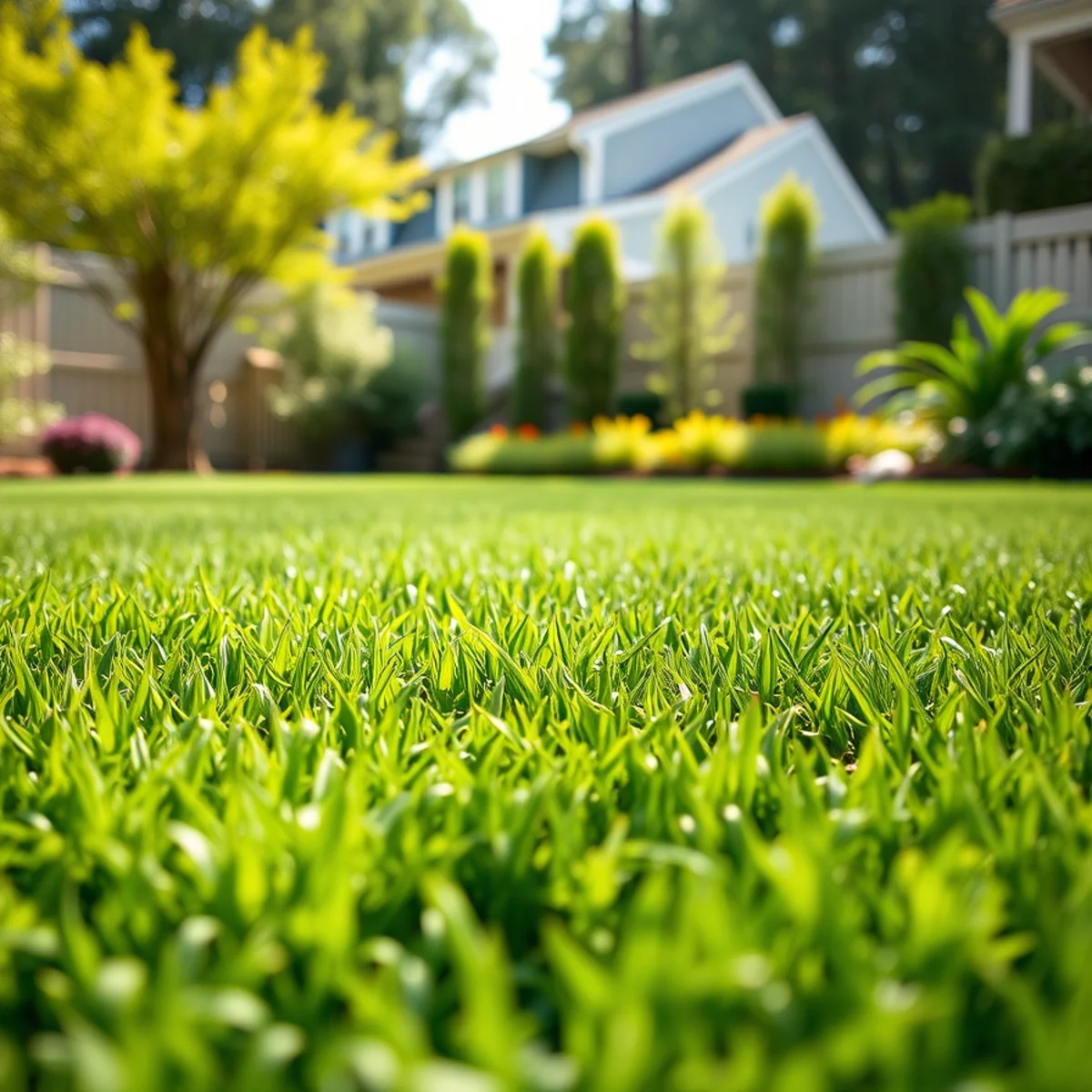
Pick the right grass and half your lawn problems disappear before they start. Pick the wrong one for your yard, and you will fight it every season no matter how hard you work. Atlanta sits in a tricky transition zone, which is exactly why choosing well matters so much here.
We can grow both warm-season and cool-season grasses in metro Atlanta, and each has a clear personality. Here is how the main players perform in our red clay, humid summers, and patchy tree shade, so you can match the grass to your yard.
Why Atlanta Is a Tricky Place to Grow Grass
Atlanta straddles the line between the warm South and the cooler uplands. Summers are hot and humid, winters bring real freezes, and most yards sit on heavy red clay under a thick tree canopy. That combination means no single grass wins everywhere. The right pick depends on how much sun your yard gets, how much foot traffic it takes, and whether you want green in winter.
Bermuda: The Sun-Loving Workhorse
Bermuda is the default for a reason. It loves full Atlanta sun, handles heat and drought better than almost anything, and recovers fast from kids, dogs, and cookouts. If your yard bakes in the open, Bermuda will reward you with a dense, carpet-like lawn.
The catch is shade and winter. Bermuda needs at least six to eight hours of direct sun and thins out badly under trees. It also goes dormant and turns tan after the first hard frost, staying that way until spring green-up. It is aggressive too, so expect to edge beds and walkways often to keep it in bounds.
- Best for: sunny yards, active families, and low-water needs.
- Watch out for: shade, winter dormancy, and spreading into beds.
- Upkeep: higher mowing frequency in summer, and it loves feeding.
Zoysia: Dense, Tidy, and Forgiving
Zoysia is the grass people fall in love with when they walk on it. It grows thick enough to crowd out most weeds, takes moderate foot traffic, and tolerates a little more shade than Bermuda. The blades feel cushioned underfoot, and a healthy Zoysia lawn looks manicured with less effort.
It grows slower than Bermuda, which means less frequent mowing, but also slower recovery if it gets damaged. Like all warm-season grasses it browns out in winter. For many Atlanta homeowners who want a premium look without constant babysitting, Zoysia hits the sweet spot, and it is one of our most requested choices for a new sod installation.
Centipede: The Low-Maintenance Option
Centipede earned the nickname lazy man's grass, and that is a compliment. It needs less fertilizer and less mowing than most, and it holds a light green color through the season. For a homeowner who wants a simple, hands-off lawn, it is a solid pick.
The trade-offs are real, though. Centipede has shallow roots, dislikes heavy traffic, and is fussy about our soil chemistry. It wants slightly acidic ground and can decline fast if the pH or iron is off. It is a good fit for lower-traffic yards where easy care matters more than a bulletproof surface.
St. Augustine: The Shade Tolerator
If your yard lives under the Atlanta tree canopy, St. Augustine deserves a look. It handles shade better than any other warm-season grass here, throwing down broad blades and a coarse, tropical texture. Where Bermuda thins out under oaks, St. Augustine can hold on.
It is less cold-hardy than the others, so a brutal winter can hurt it, and it does not love heavy traffic. But for shaded Decatur lots where nothing else will fill in, it is often the answer.
Pro Tip: Match the Grass to the Sun
Before you fall for a grass at the store, spend a day watching your yard. Note where the sun actually lands and for how long. Six-plus hours of direct sun points to Bermuda or Zoysia. Heavy shade points to St. Augustine or a shade-tolerant fescue. Sun exposure decides more than any other single factor.
Tall Fescue: The Cool-Season Choice for Winter Color
Tall fescue is the one cool-season grass that earns its keep around Atlanta, especially in shadier yards and leafier neighborhoods like Marietta with more tree cover. Its biggest selling point is winter color. While Bermuda and Zoysia go tan, fescue stays green through the cold months, which many homeowners love.
The trade-off is summer. Fescue struggles in our July and August heat and can thin out under disease pressure like brown patch. It grows from seed rather than spreading, so it does not self-repair. Instead, it needs fall aeration and overseeding every year to stay thick. Keep up that routine and fescue rewards you with a green lawn twelve months a year.
How to Choose the Right Grass for Your Yard
There is no best grass, only the best grass for your yard. Run through these questions before you decide, and a strong fertilization and weed control program will keep whatever you pick looking its best.
- How much direct sun does the area get? Six-plus hours favors Bermuda or Zoysia.
- How much traffic will it take? Kids and dogs favor Bermuda or Zoysia over centipede or fescue.
- Do you want winter color? That points to tall fescue.
- How much maintenance do you want? Centipede is lowest effort, and Bermuda is highest.
- How shaded is the yard? Heavy shade favors St. Augustine or fescue.
Get a Free Estimate From PinStripe
Not sure which grass belongs in your yard? We will walk your property, read the sun and soil, and recommend the right turf, whether that means fresh sod or a smarter care plan for what you already have. Free estimates, no long-term contracts, and honest advice from folks who grow these grasses every day. Call PinStripe at (323) 606-0255 and let us help you get it right the first time.
PinStripe Landscaping & Pro Svcs
Locally owned lawn care & landscaping in Grant Park, Atlanta. Serving Metro Atlanta for 7+ years.