
Lawn Care Service
Lawn Fertilization & Weed Control in Atlanta, GA
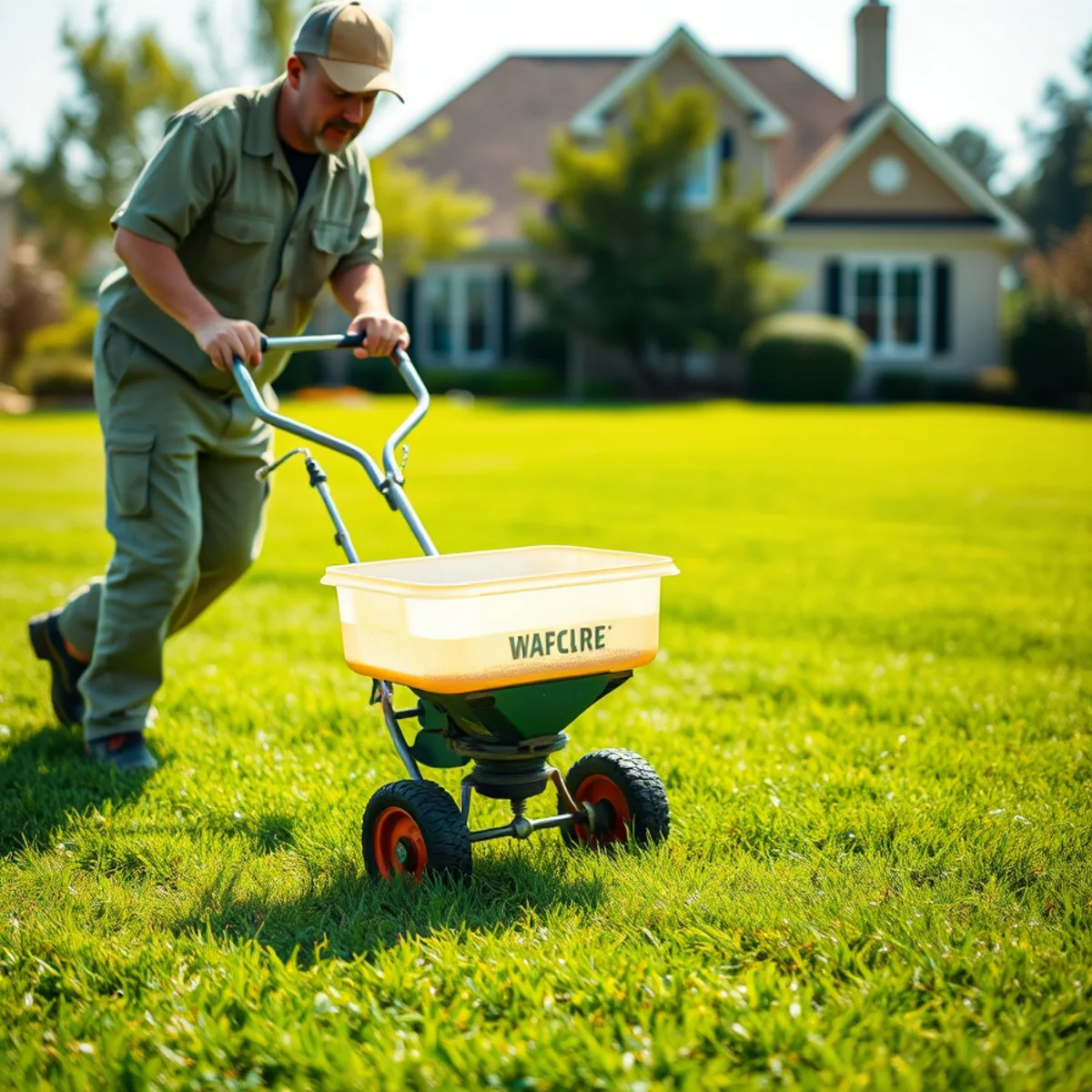
A thick, weed-free lawn isn't luck — it's timing. In Atlanta, the difference between a yard full of crabgrass and a carpet of healthy turf usually comes down to putting the right product down at the right soil temperature. Our fertilization and weed-control program is built around our local calendar, not a national one.
We start with what your soil is actually doing, feed the grass on a schedule that matches its growth, and stop weeds before they ever sprout. The result is turf dense enough to shade out most weeds on its own.
What you get with PinStripe
- Custom feeding schedule matched to your grass and soil
- Pre-emergent barriers that stop crabgrass before it germinates
- Targeted post-emergent control for tough broadleaf and grassy weeds
- Soil pH correction for Atlanta's naturally acidic clay
- Slow-release nitrogen for steady color without surge growth
- A denser lawn that crowds out weeds year over year
The weed & feeding problems we solve
Atlanta's long, warm season gives weeds a huge window to establish. These are the issues homeowners call us about most:
Crabgrass takeover
Miss the late-winter pre-emergent window and crabgrass germinates as soil warms, then spreads all summer. Timing is everything, and we track soil temps closely.
Nutsedge & dallisgrass
These aggressive grassy weeds shrug off standard products. They need specific, correctly timed treatments to actually knock back.
Weak color despite fertilizing
Our clay locks up nutrients when the pH is off. Dumping more fertilizer on acidic soil just wastes money — a soil correction fixes the real problem.
Feast-or-famine growth
Cheap quick-release fertilizer greens the lawn for two weeks, then it fades. Slow-release feeding delivers even, lasting color and stronger roots.
Our fertilization & weed-control process
We treat your lawn as a living system and build the plan around it:
- 1Soil & lawn assessmentWe check grass type, thickness, and problem areas and recommend a soil test to establish your pH and nutrient baseline before spending a dollar on product.
- 2Pre-emergent, on timeWe apply pre-emergent in late winter as soil temperatures approach 55°F (typically late January to mid-February in Atlanta) to stop crabgrass and other summer weeds before they start.
- 3Feed for the seasonWe apply slow-release, balanced fertilizer suited to your grass — lighter in the heat of summer to avoid disease-prone surge growth, timed for green-up and root building.
- 4Spot-treat & adjustPost-emergent treatments target weeds that slip through, and we adjust the program based on how your lawn responds through the year.
Why Atlanta lawns need a local schedule
Most weed problems trace back to one missed date. Crabgrass and many summer annuals germinate when soil temperatures climb toward the mid-50s. Put a pre-emergent barrier down before that and the seeds never establish; put it down late and you're fighting the weed all season with post-emergents instead. That single, correctly-timed application is one of the highest-value things you can do for a Georgia lawn.
Feeding follows the grass. Warm-season Bermuda and Zoysia do their real growing from late spring through summer, so that's when they're fed — but carefully, because too much nitrogen in July's humidity fuels brown patch and other diseases. Cool-season fescue is fed in fall and spring when it's actively growing, not baked in mid-summer. We match the program to your species so the food actually gets used.
Healthy soil is the real secret
Atlanta's red clay tends to run acidic, and when the pH drifts too low the nutrients you apply get chemically locked up in the soil where roots can't reach them. A simple soil test tells us whether you need lime to bring the pH back into range so fertilizer can do its job. Over time we also work to improve the soil itself, because loose, biologically active soil grows a thicker lawn that fights off weeds without constant chemical help.
We use EPA-registered products and follow the label to the letter, and we're glad to talk through pet- and family-friendly re-entry times after each application. The goal is always the same: the least input needed to grow turf so dense that weeds simply can't find room.
What Affects the Price
Program cost depends on your lawn and how much correction it needs up front. We quote honestly after a look — the factors that move the price:
- Lawn square footage. More turf means more product and application time per round.
- Grass type. Warm- and cool-season lawns follow different schedules and product sets.
- Starting condition. A weed-choked or nutrient-starved lawn may need extra early rounds to reset before it stabilizes.
- Soil correction. Lime and soil amendments are priced based on your soil-test results, not guesswork.
- Number of visits. A full annual program spreads applications across the year for the best results and value.
Why PinStripe
Why Atlanta Homeowners Choose Us for Lawn Fertilization & Weed Control
Weed-and-feed from the store is a guess; a real program is a plan. We time every application to Atlanta's soil temperatures and your grass type, correct the pH that's quietly starving your lawn, and adjust as the season unfolds. Licensed, insured, and local, we treat your lawn like an investment that pays off in thicker, cleaner turf.
7+ Years Experience
Serving metro Atlanta lawns and landscapes.
4.8★ · 21 Reviews
Rated by real Atlanta homeowners.
Licensed & Insured
Your property is protected on every job.
Satisfaction Guaranteed
We stand behind our work, no contracts.
Service Area
Lawn Fertilization & Weed Control Across Metro Atlanta
We run seasonal fertilization and weed-control programs for lawns throughout metro Atlanta, matched to whether you've got warm-season Bermuda and Zoysia or cool-season fescue. From our Grant Park base we cover intown neighborhoods and the surrounding suburbs on a schedule built around our local climate.
View all service areasPopular areas we serve
FAQ
Lawn Fertilization & Weed Control — Questions & Answers
When should pre-emergent go down in Atlanta?
Are your products safe for kids and pets?
How long until my lawn looks better?
Do I need a soil test?
When is the best time to start a lawn treatment program?
Related Services

Ready for Lawn Fertilization & Weed Control in Atlanta?
Get your free, no-obligation estimate from PinStripe Landscaping today. Locally owned, licensed & insured, and trusted across Metro Atlanta.
- Licensed & Insured
- 4.8★ · 21 Reviews
- Locally Owned & Operated
- Same-Day Service Available
- 100% Satisfaction Guarantee
- 7+ Years Experience